
Hire the Perfect New Orleans 2nd Line Band
New Orleans Second Line Bands & Parades
A second line is one of the most iconic experiences in New Orleans.
Led by a live brass band and followed by dancing guests, waving umbrellas, and pure street-level energy, a second line turns an event into a true New Orleans experience. It is part celebration, part procession, and part living cultural tradition.
At Big Easy Entertainment, we help clients plan second lines experiences that are exciting, seamless, and deeply connected to the spirit of the city. Whether you are hosting a wedding, corporate event, private party, or special celebration, we can help bring the moment to life with the right band, the right flow, and the right local feel.
Trusted by couples, event planners, and venues across New Orleans.
Explore our 2nd line band options in our New Orleans Bands page.
What Is a Second Line Parade?
A second line parade is one of New Orleans’ most recognizable and joyful traditions.
The “first line” traditionally refers to the main participants in the parade, often including the brass band, the grand marshal, and the hosts or honorees. The “second line” is everyone following behind: guests, family, friends, and often curious onlookers who get swept into the energy of the moment.
Community is part of what makes a second line so special. It is not just something people watch. It is something people join. Neighbors will step out on their porches to cheer you on. People on the streets will dance along with your guests.
A great second line combines live brass band music, movement through the street, crowd interaction, and that unmistakable New Orleans feeling of celebration breaking out in public.
A New Orleans Tradition with Deep Cultural Roots
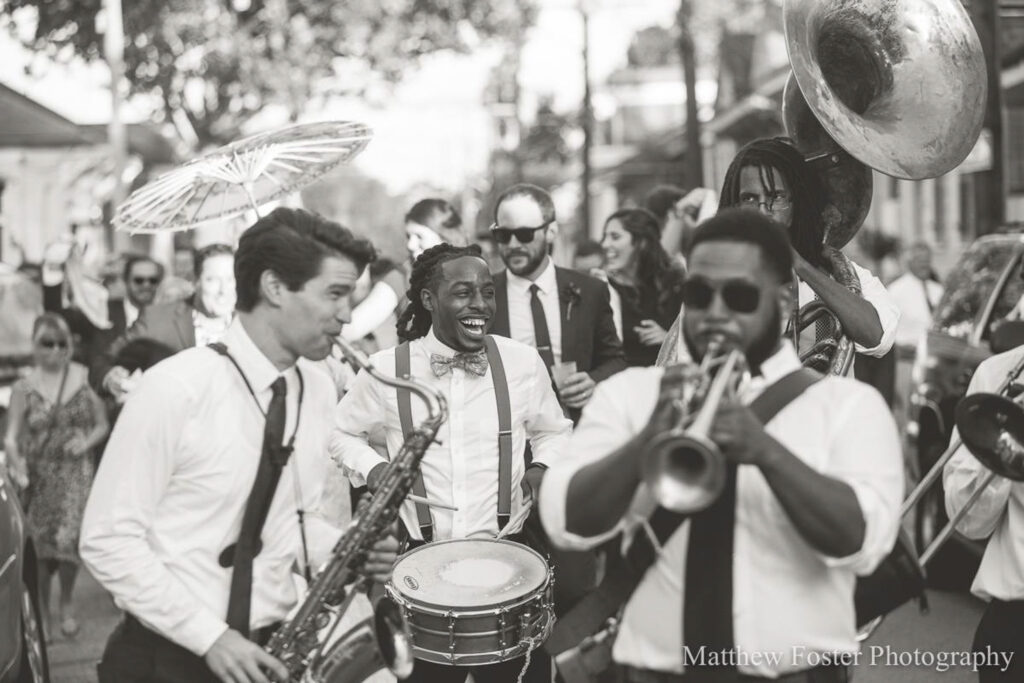
Second line culture is deeply tied to the history of New Orleans and to the neighborhood traditions that helped shape the city’s musical identity.
Its roots draw from African diasporic dance and processional traditions, which evolved in New Orleans alongside the marching format of European military bands and ceremonial customs shaped by French and Spanish colonial influence. Over time, those elements came together to create something uniquely local: a street-based brass band tradition built to move, gather people, and celebrate life in public.
You can also hear echoes of this broader cultural blend across the Caribbean and Latin America, where music, procession, and communal street celebration remain central parts of public life. But in New Orleans, the second line developed its own sound, style, and meaning.
Today, it remains one of the clearest expressions of the city’s culture.
Social Aid & Pleasure Clubs and the Second Line Tradition
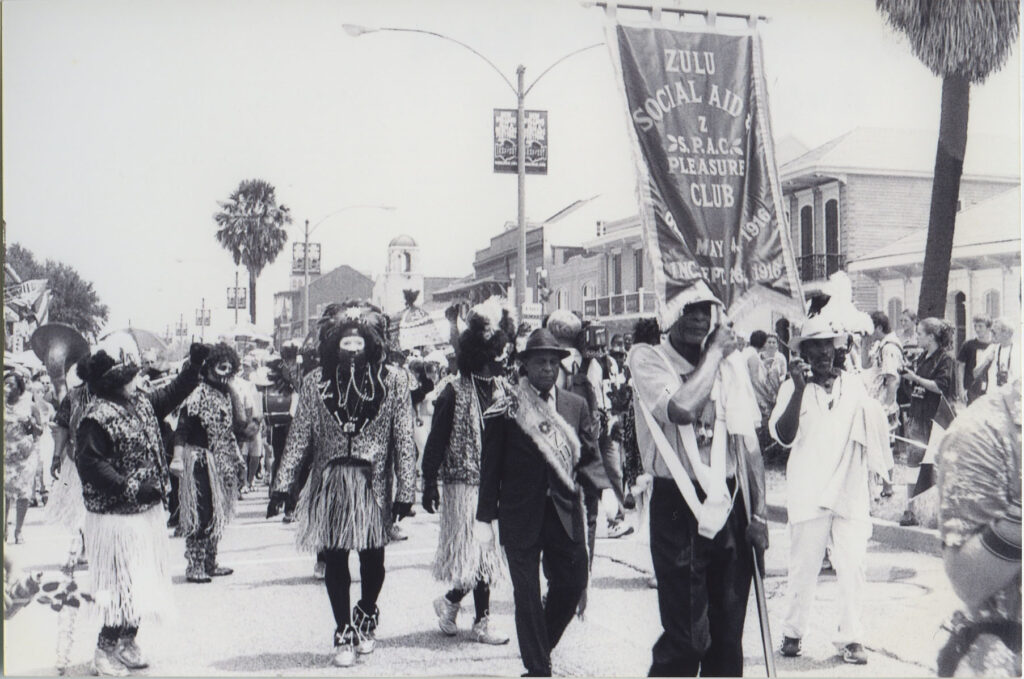
No real conversation about second lines is complete without mentioning the Social Aid & Pleasure Clubs.
These neighborhood-based organizations became a vital part of New Orleans community life. They offered mutual support, fellowship, pride, and public celebration, and their annual parades helped define the second line tradition as many people know it today.
And even after over 150 plus years, that tradition is still alive and vibrant!
Across much of the year, second lines continue to move through neighborhoods throughout New Orleans, especially in places like Tremé, Central City, the Seventh Ward, Uptown, and other historic parts of the city. These are not staged attractions. They are living community traditions with deep local meaning.
This is where the second line becomes more than entertainment — it becomes part of a living tradition.
For visitors and event planners, that matters. A private second line is not just a fun parade idea. It is a chance to participate in one of New Orleans’ most enduring cultural forms with care and authenticity.
You can explore the year round public AND FREE 2nd line schedule here: https://www.wwoz.org/programs/inthestreet
Why Brass Bands Matter in New Orleans
Second lines and brass bands belong together.
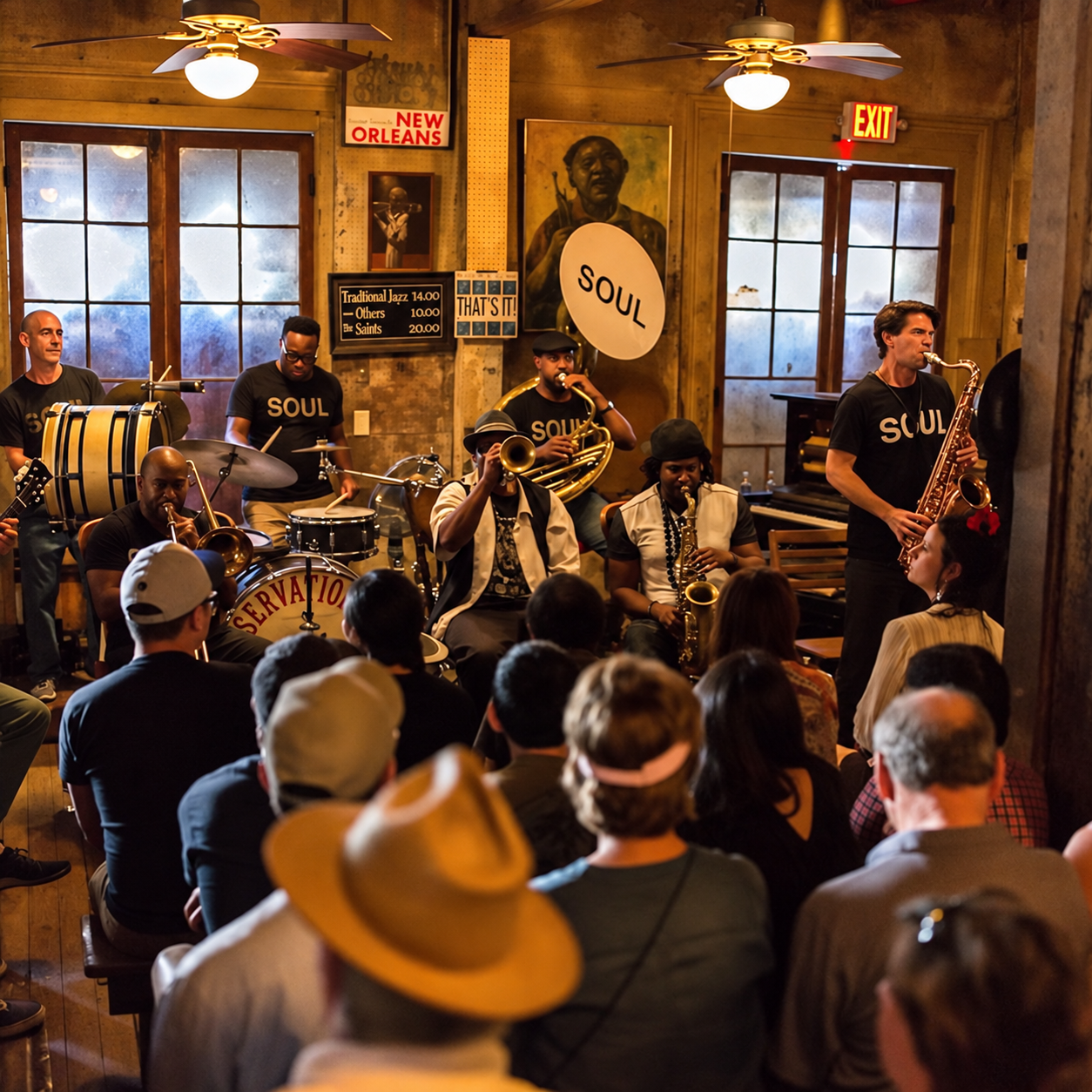
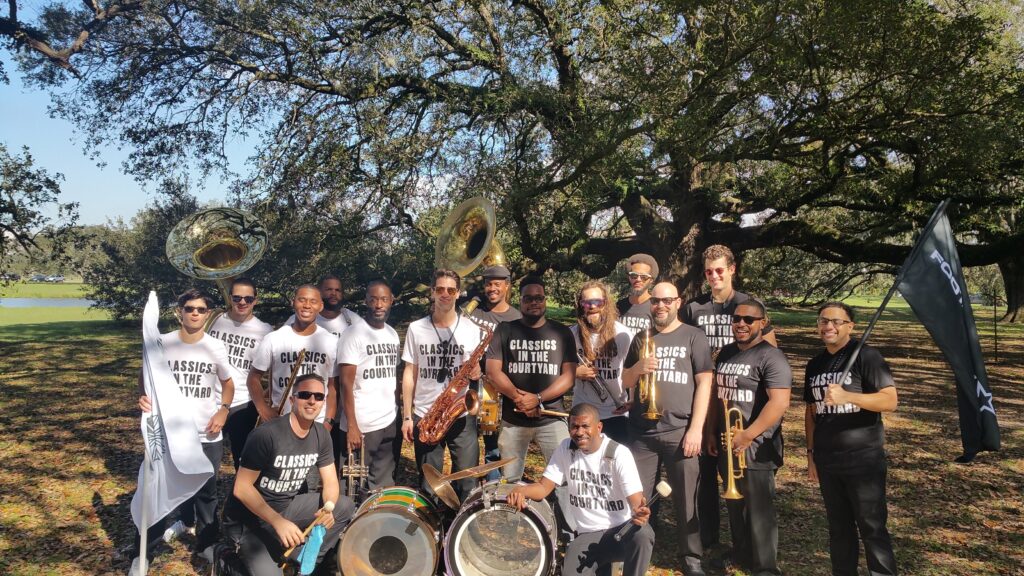
A traditional New Orleans brass band is portable, powerful, and built for the street. Trumpets, trombones, saxophone, tuba, snare drum, and bass drum come together to create a sound that can be both commanding and celebratory.
Brass bands were central to the development of early New Orleans jazz in the late 1800s and early 1900s, and they remain one of the strongest living links between the city’s musical past and present.
That is why hiring a real second line band feels different from simply hiring background music. The band is not off to the side. The band leads the moment. That difference is what guests remember.
The Role of the Grand Marshal
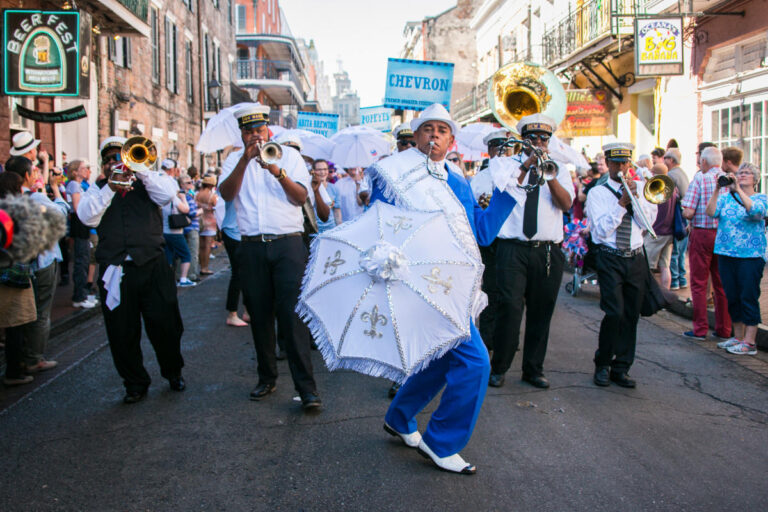
A second line is not just about the musicians. It is also about leadership, pacing, and presence.
At the front of the parade is the grand marshal, whose job is to help guide the flow of the second line and set the tone. A great grand marshal helps keep the parade moving, engages the crowd, and makes the whole experience feel festive without becoming chaotic.
For private events, this is especially important. The best second lines feel joyful and spontaneous, but they are still well guided.
When needed, we can help coordinate the right grand marshal so the parade feels smooth, organized, and alive from start to finish.
** If you’re planning a second line parade for your wedding, we’ve also created a complete guide on how to plan a New Orleans second line parade, including permits, routes, and band logistics.
Mardi Gras Indians and the Broader Parade Culture of New Orleans
Second lines exist within a larger world of New Orleans parade tradition, including the deeply important culture of the Mardi Gras Indians, also known as Black Masking Indians.
Known for their extraordinary handmade suits, detailed beadwork, featherwork, and year-round preparation, Mardi Gras Indians represent another powerful expression of Black New Orleans artistry, pride, and ceremonial tradition.
Created in New Orleans in the late 1800s, the Mardi Gras Indian tradition is a uniquely local cultural artform developed within Black communities. It blends influences from African, Caribbean, and Indigenous traditions into something that exists only in New Orleans.
Mardi Gras Indians organize themselves into “tribes,” each with its own leadership, identity, and history. Members spend months — often the entire year — hand-sewing elaborate suits covered in intricate beadwork, feathers, and symbolic imagery. No two suits are alike, and each one reflects an extraordinary level of craftsmanship and personal expression.
The act of “masking” draws from Native American inspiration and traditions of ceremonial dress, while also serving as a powerful form of storytelling, identity, and community pride.
Their presence in parades and public gatherings is not just visual. It is ceremonial, artistic, and deeply connected to the culture of New Orleans.
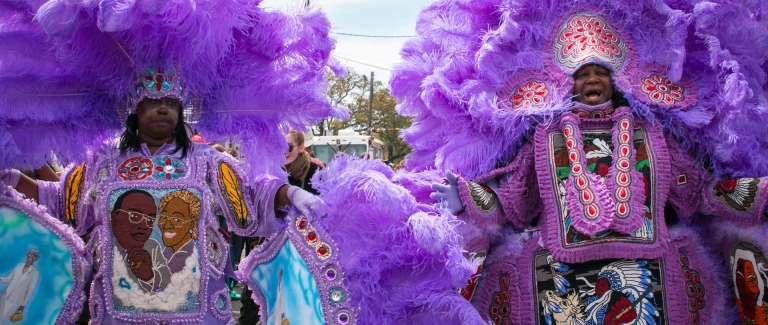
Key Mardi Gras Indian Dates
Mardi Gras Indians appear throughout the year, but there are a few key dates when their presence is most visible:
- Mardi Gras Day (Fat Tuesday)
The most well-known appearance, when tribes “mask” in full suits and move through the city. - St. Joseph’s Night (March 19)
One of the most important nights in the tradition, when tribes gather again in full regalia, often meeting in the streets late into the evening. Here’s an article written by the legendary John Sinclair. - Super Sunday (typically in March)
A major organized gathering of Mardi Gras Indian tribes, usually held in Central City, where multiple groups come together for a daytime celebration. Find more info and dates here: https://www.mardigrasneworleans.com/history/mardi-gras-indians/super-sunday - Jazz Fest Season (late April–early May)
Mardi Gras Indians often appear at the New Orleans Jazz & Heritage Festival and surrounding events.
While visitors may see these traditions during major events, they remain rooted in neighborhood culture and community gatherings throughout the year.
What a Private Event Second Line Looks Like
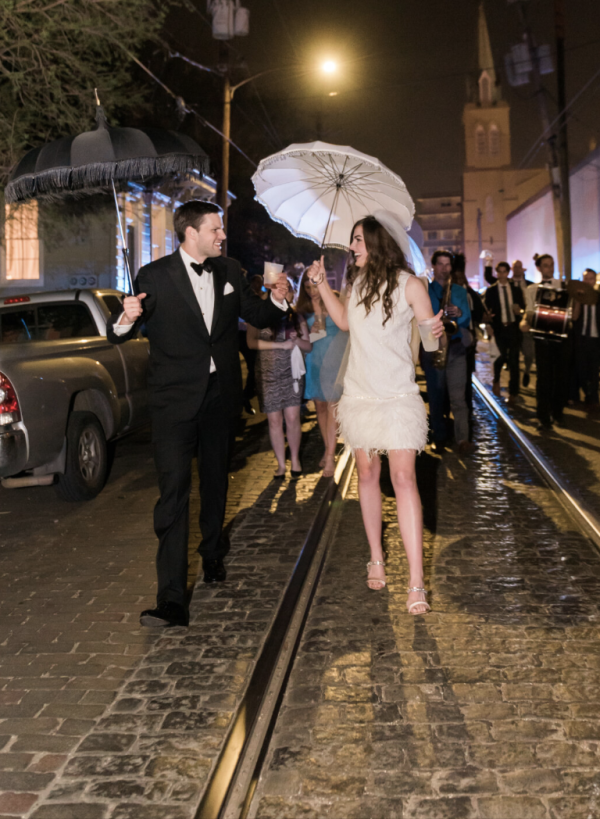
A private second line usually begins at a ceremony, hotel, courtyard, restaurant, or event venue and moves through a nearby route with the band leading the way.
Some are short and elegant. Others become a major featured moment within the event.
A typical private second line may include:
- a live brass band
- a grand marshal
- umbrellas or handkerchiefs
- a planned route
- guests following behind the band
- a finish point at the reception, venue, or next part of the event
It is one of the best ways to create a moment that feels unmistakably New Orleans while also giving guests something interactive, memorable, and emotionally charged.
Second lines are especially popular for:
- weddings
- corporate events
- convention buyouts
- welcome parties
- brand activations
- conferences
- milestone birthdays
- anniversary celebrations
- grand openings
- VIP client experiences
New Orleans Wedding Second Lines
A wedding second line is one of the most iconic ways to celebrate in New Orleans.
It creates a natural transition from ceremony to reception, from venue to after-party, or from one part of the day to the next. More importantly, it gives the couple and their guests a shared experience that feels joyful, local, and completely unforgettable.
Whether you want something elegant and classic or lively and high-energy, we can help match you with a New Orleans second line band that fits the style of your wedding.
For many couples, it ends up being one of the most talked-about parts of the entire day.
Check out our New Orleans wedding music guide for more information.
Corporate Second Lines in New Orleans
A second line parade will transform your corporate event, convention, conference, brand activation, and team building.
A well-timed second line can energize a group, create a memorable transition, and give guests an experience they will never forget.
For corporate clients, the goal is to create something polished and exciting that still feels rooted in the city rather than generic or overly staged.
That is where local experience matters. Second line parades are a way to give guests something they can’t experience anywhere else.
Check out or New Orleans Corporate Event Band guide for more in-depth information.
Planning a Second Line Parade in New Orleans
There are a few practical details involved in planning a second line, including:
- route logistics
- timing
- permits
- police escort requirements in some cases
- coordination with the venue or event planner
- band size and format
- weather contingencies
This is where experience makes a difference.
We help clients think through both the musical side and the event side so the parade feels exciting, realistic, and well executed.
If you want a deeper planning breakdown, read our guide on How to Host a Second Line Parade in New Orleans.
Why Book a New Orleans Second Line Through Big Easy Entertainment?
There are plenty of groups online offering 2nd line brass bands. What matters is whether the people behind it actually understand the city, the culture, and how these events work here.
Big Easy Entertainment is generationally rooted in New Orleans. We work with real local musicians and help clients create events that feel elevated, exciting, and true to place.
When we help plan a second line, the goal is not just to put horns in the street. The goal is to create a moment that feels connected to New Orleans and worthy of the occasion.
Clients choose us because we offer:
- authentic local talent
- polished event coordination – every minute counts!
- experience with weddings and private events
- strong communication and planning support
- a feel that is celebratory AND intentional
If you want a second line that feels both professionally executed and culturally grounded, we would love to help.
Frequently Asked Questions About New Orleans Second Lines
How long does a second line last?
Most private second lines last between 15 and 30 minutes, depending on the route, event timing, and any permit-related limitations.
Do you need a permit for a second line in New Orleans?
In most cases, yes. Permit and escort requirements depend on the location, route, and format of the event.
How many musicians are in a second line band?
Many second line bands include around 6 to 8 musicians, though smaller and larger options may be possible depending on the event.
Can you hire a second line band for a wedding?
Absolutely. Wedding second lines are one of the most popular New Orleans wedding traditions.
Can a second line work for a corporate event?
Yes. Second lines can work beautifully for corporate events, convention groups, client entertainment, and welcome receptions.
What songs do second line bands play?
That depends on the band and the style of the event, but many include traditional New Orleans favorites, classic parade tunes, and high-energy brass band standards.
Can you help us plan the whole second line?
Yes. Big Easy Entertainment can help guide the music, the format, and the key planning considerations (timeline, route, permits, police escort, dancers, grand marshall, Mardi Gras Indians, branded Mardi Gras beads and throws, etc.) so the second line flows smoothly with your event.
Let’s Plan Your New Orleans Second Line
If you’re looking for a New Orleans second line band for a wedding, corporate event, or private celebration, we can help you create something that feels authentic, seamless, and unforgettable.
A great second line doesn’t just look good — it feels alive.
It brings people together, transforms the energy of an event, and creates a moment your guests will talk about long after it’s over.
Let’s make it happen!